Our Honey
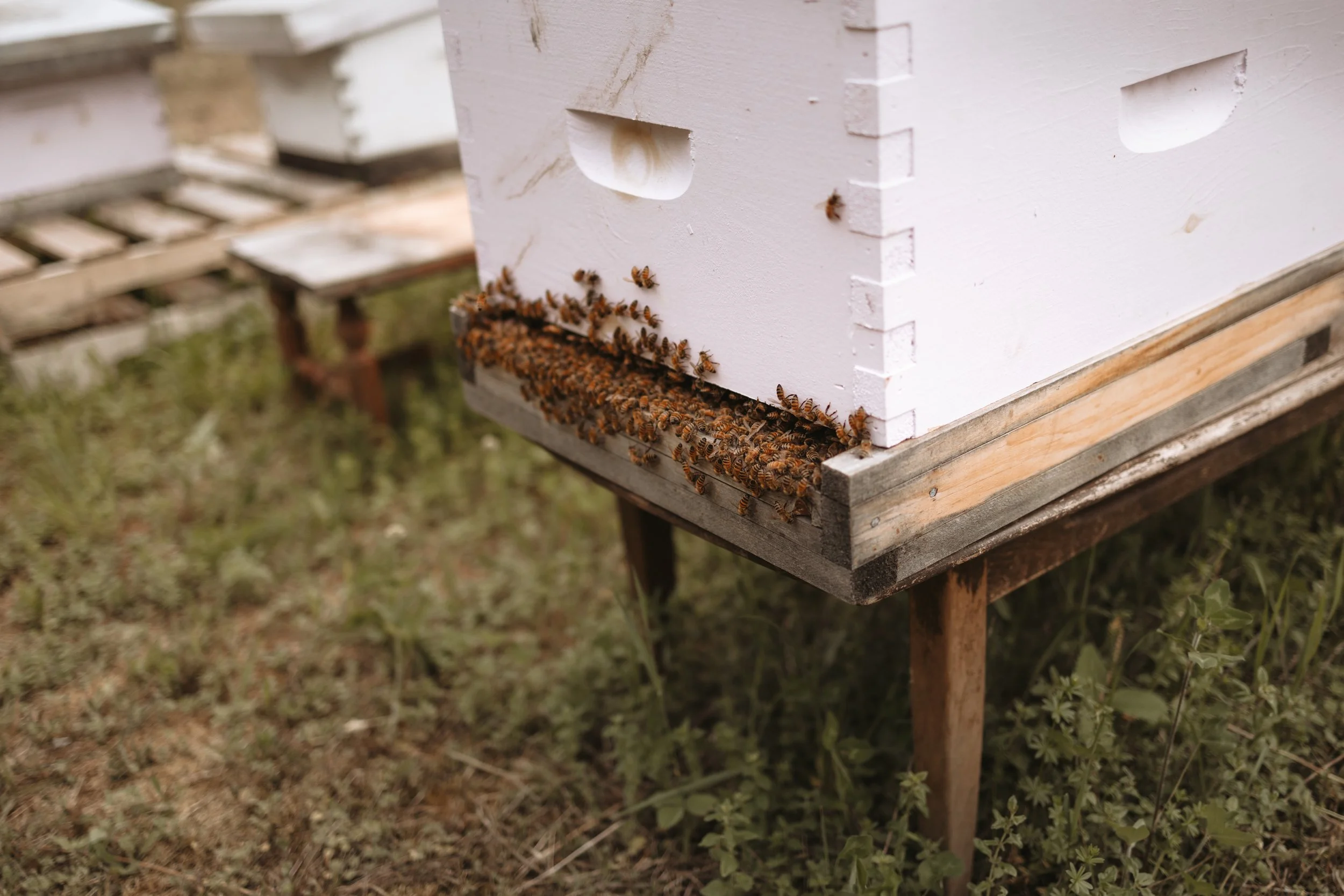
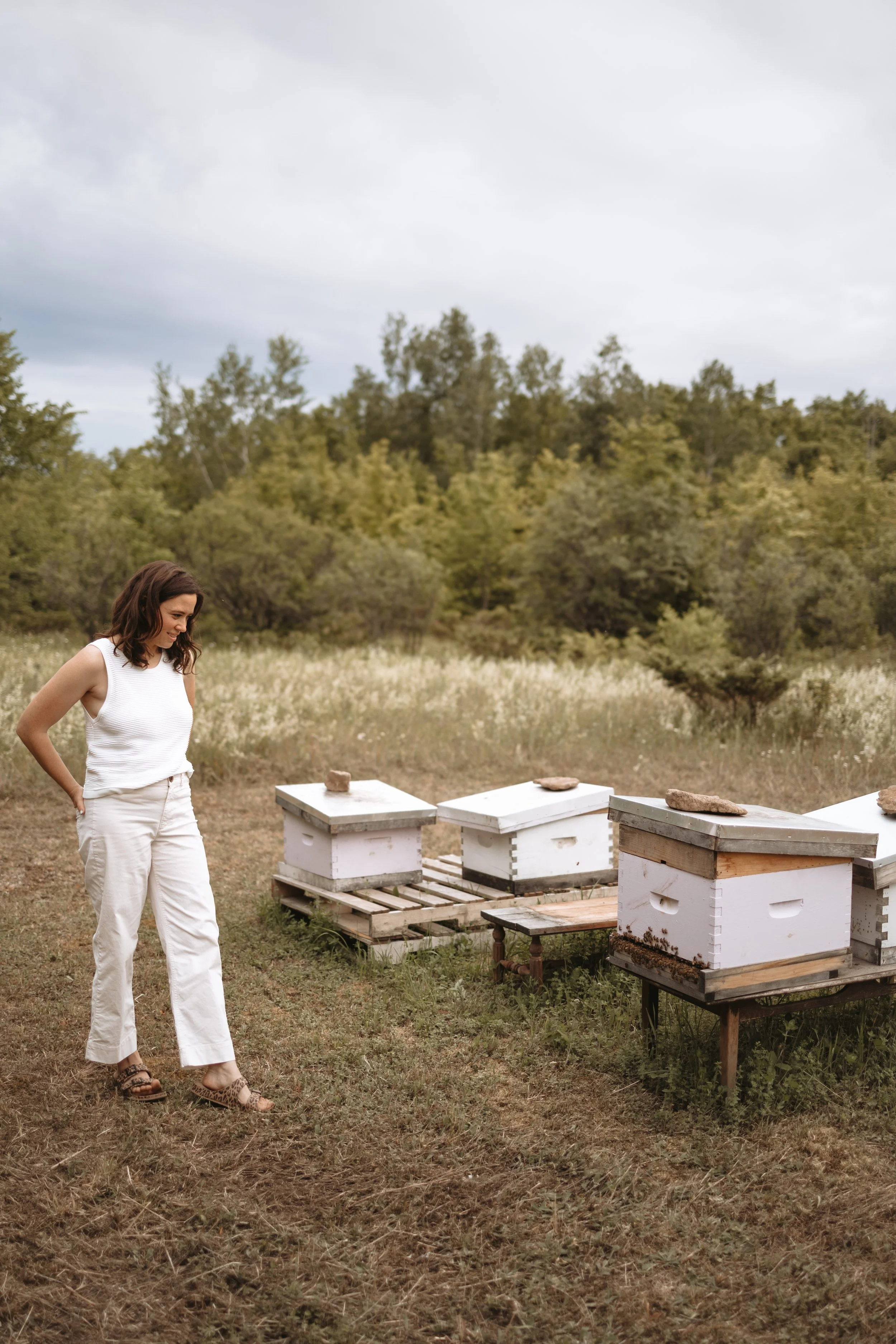
Our bees live right at the edge of our lavender field, and forage our 1,000 lavender plants. Because of this, most of the honey we harvest is lavender honey—it has delicate floral notes that reflect the very plants it comes from.
We time our harvest carefully: once the lavender finishes blooming, we pull the honey from the hives. This ensures that the jars you bring home capture the pure essence of our lavender fields at their peak.
Wildflower Honey
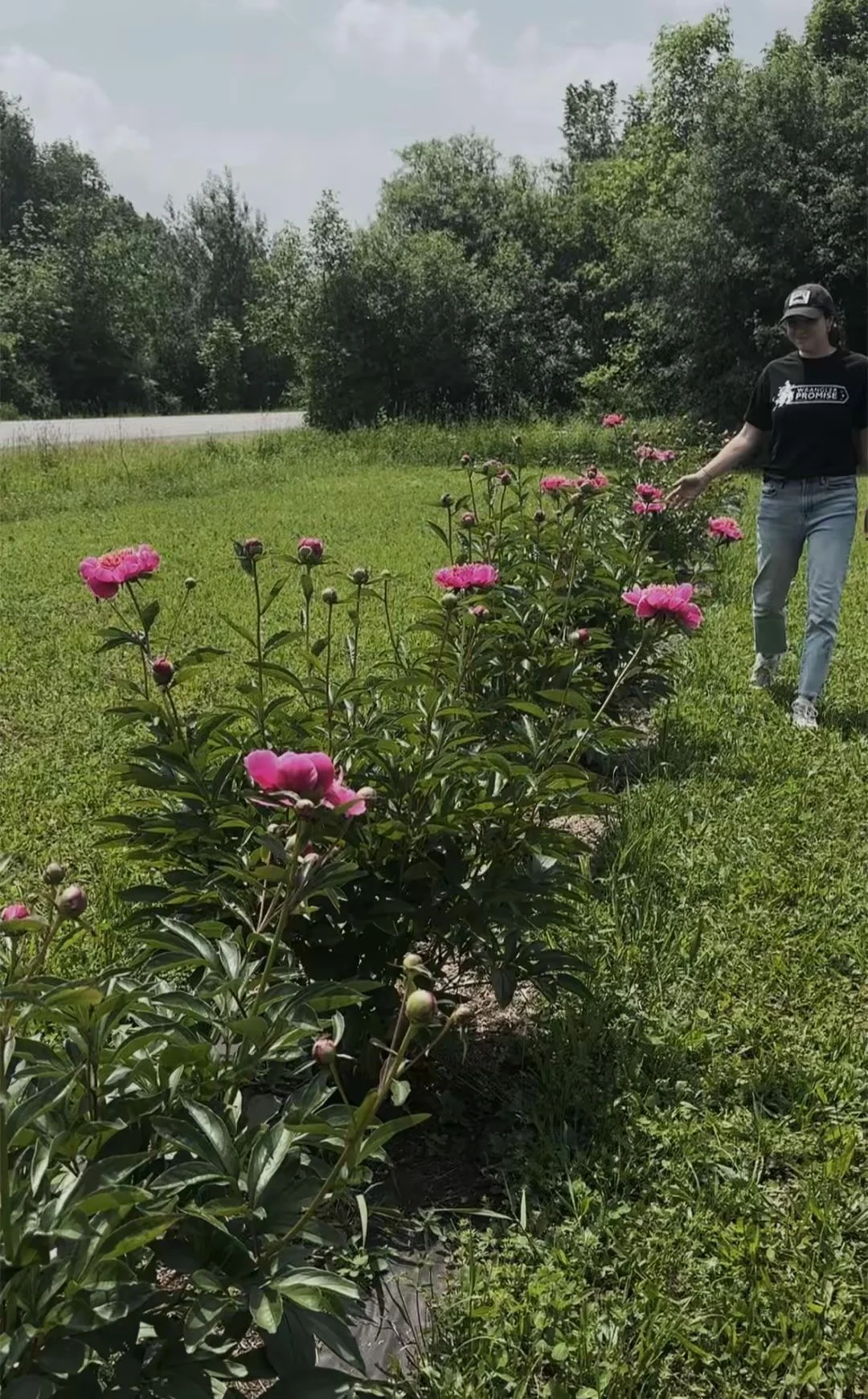
Later in the season, as the bees move on to forage from wildflowers across our farm, they create a different kind of honey—our wildflower honey. This honey has a more robust flavor.
Whether lavender or wildflower, each jar is a reflection of the season, and the hard work of our bees. Our honey is always raw and minimally handled, keeping its natural enzymes, pollen, and nutrients intact.
Supporting Honey Bees and Pollinators
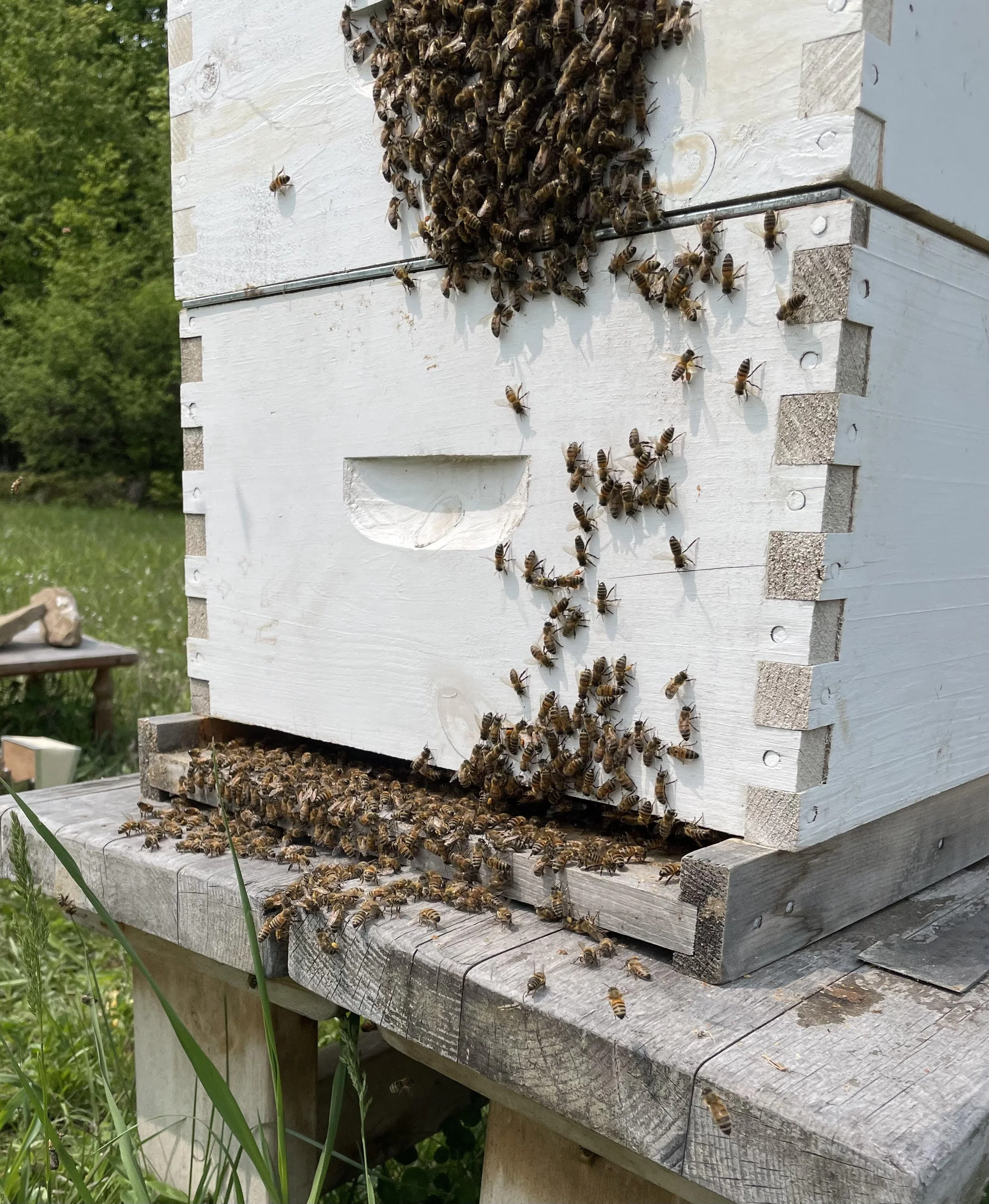
Honey bees play a vital role in our food system and ecosystems, but they are just one of many pollinators that keep our landscapes thriving. In Ontario, native bees, butterflies, moths, and even beetles all work alongside honey bees to ensure flowers set seed, fruits grow, and gardens flourish. Unfortunately, pollinator populations face challenges from habitat loss, pesticide use, and climate change.
Why Pollinators Matter
Honey bees contribute to the production of fruits, vegetables, nuts, and of course, honey.
One in every three bites of food we eat depends on pollinators.
Native pollinators, such as bumblebees and solitary bees, are equally important for biodiversity and food security.
How You Can Help Pollinators
Small changes in your backyard or community can make a big difference:
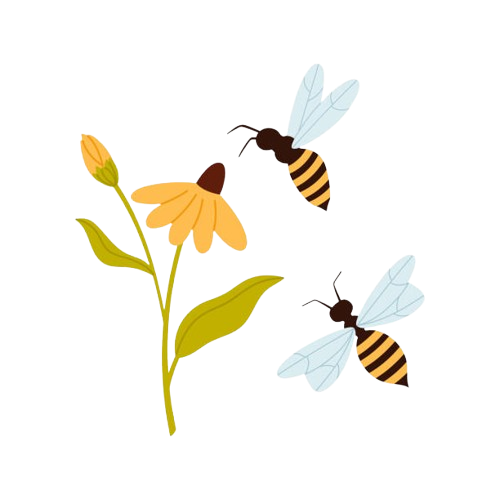
Choose a variety of native and nectar-rich plants that bloom from early spring to late fall. Lavender, clover, coneflower, and goldenrod are all excellent choices.
Plant Pollinator-Friendly Flowers
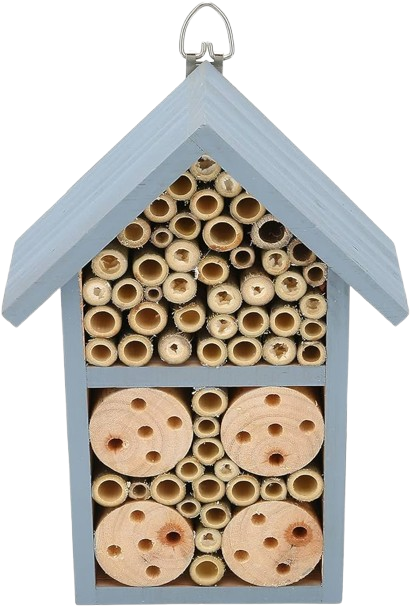
Leave some areas of your garden a little wild with brush, logs, or bare soil where native bees can nest. Bee hotels can also support solitary species.
Provide Shelter
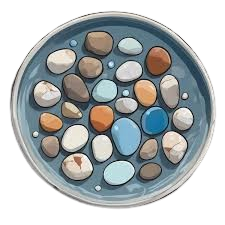
Offer Water Sources
A shallow dish with pebbles or floating corks gives bees a safe place to land and drink.
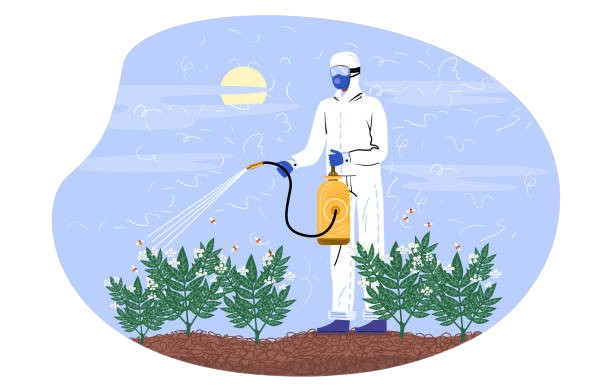
Chemicals can harm bees and other beneficial insects. If needed, opt for natural alternatives and apply them in the evening when pollinators are less active.
Avoid Pesticides
Buying local honey not only supports sustainable farming but also helps keep bee populations healthy in your community.
Support Local Beekeepers