Plant Care
Growing Lavender in Ontario
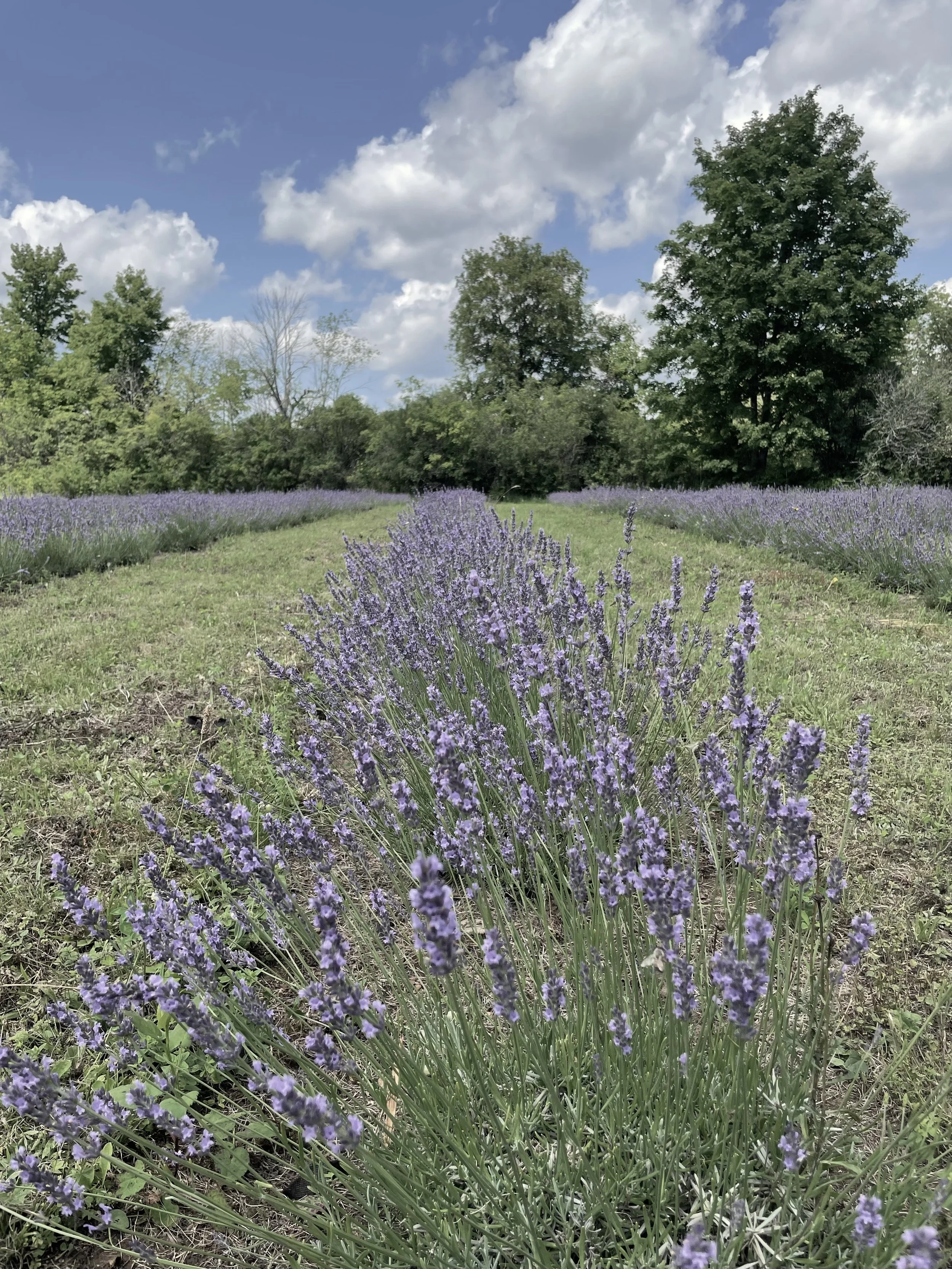
Lavender may not be native to Canada, but can thrive here. While lavender naturally prefers the sunny, dry hills of the Mediterranean, gardeners can still enjoy its beauty and fragrance by choosing varieties that are hardy.
Not all lavender types will survive an Ontario winter. The most reliable choices for our region are:
Choosing the Right Varieties

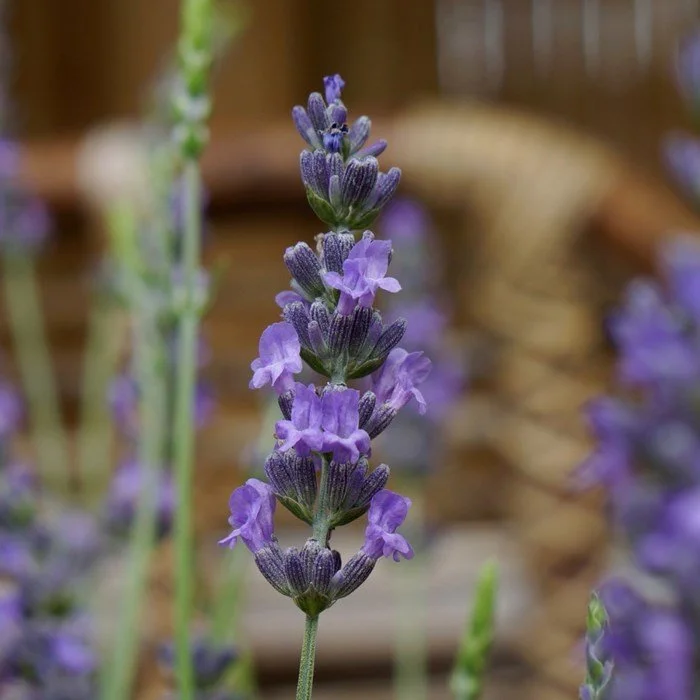
English Lavender
(Lavandula angustifolia)
Hardy to Zone 5, and with some protection, it often survives in Zone 4b. Popular cultivars include ‘Hidcote’, ‘Munstead’, and ‘Phenomenal’ - all varieties we grow.
Lavandin
(Lavandula × intermedia)
A hybrid with larger blooms and longer stems. Some cultivars, like ‘Phenomenal’, show good cold tolerance when planted in well-drained soil.
Planting Tips
Soil: Lavender needs sandy, well-drained soil.

Sunlight: Full sun (at least 6–8 hours per day) is essential for healthy plants.
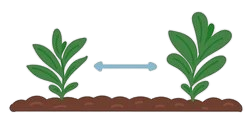
Spacing: Plant 18–24 inches apart to allow good air circulation and prevent root rot.
Winter Protection
Cold and wet conditions are the biggest challenges for lavender in Ontario. To help your plants survive:
Plant in raised beds or on slopes to prevent waterlogging.
Avoid heavy mulches that trap moisture; instead, use gravel or straw lightly around the base.
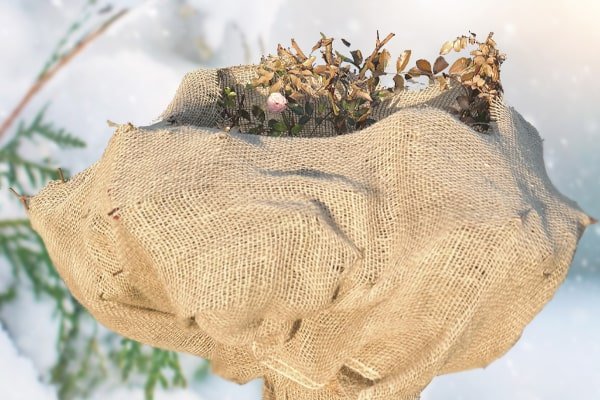
In late fall, consider covering plants with a breathable fabric (such as burlap) to shield them from harsh winds and fluctuating temperatures.
Seasonal Care
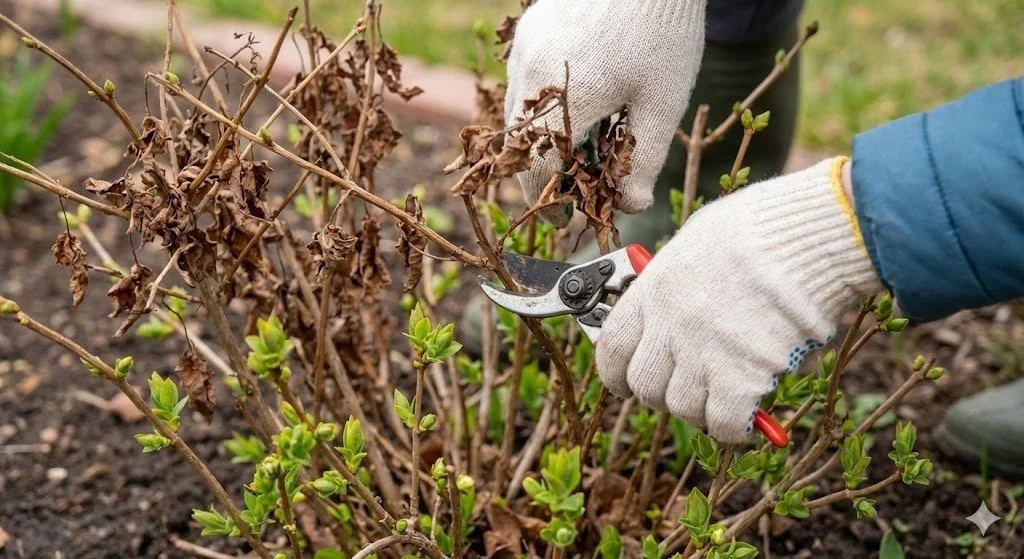
Prune back deadwood once new growth appears, being careful not to cut into old wood.
Spring
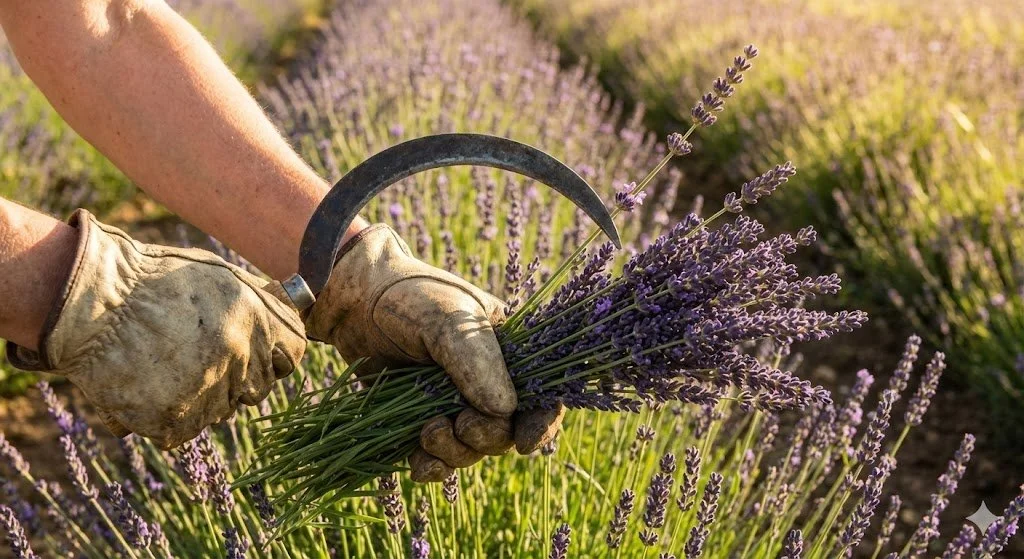
Summer
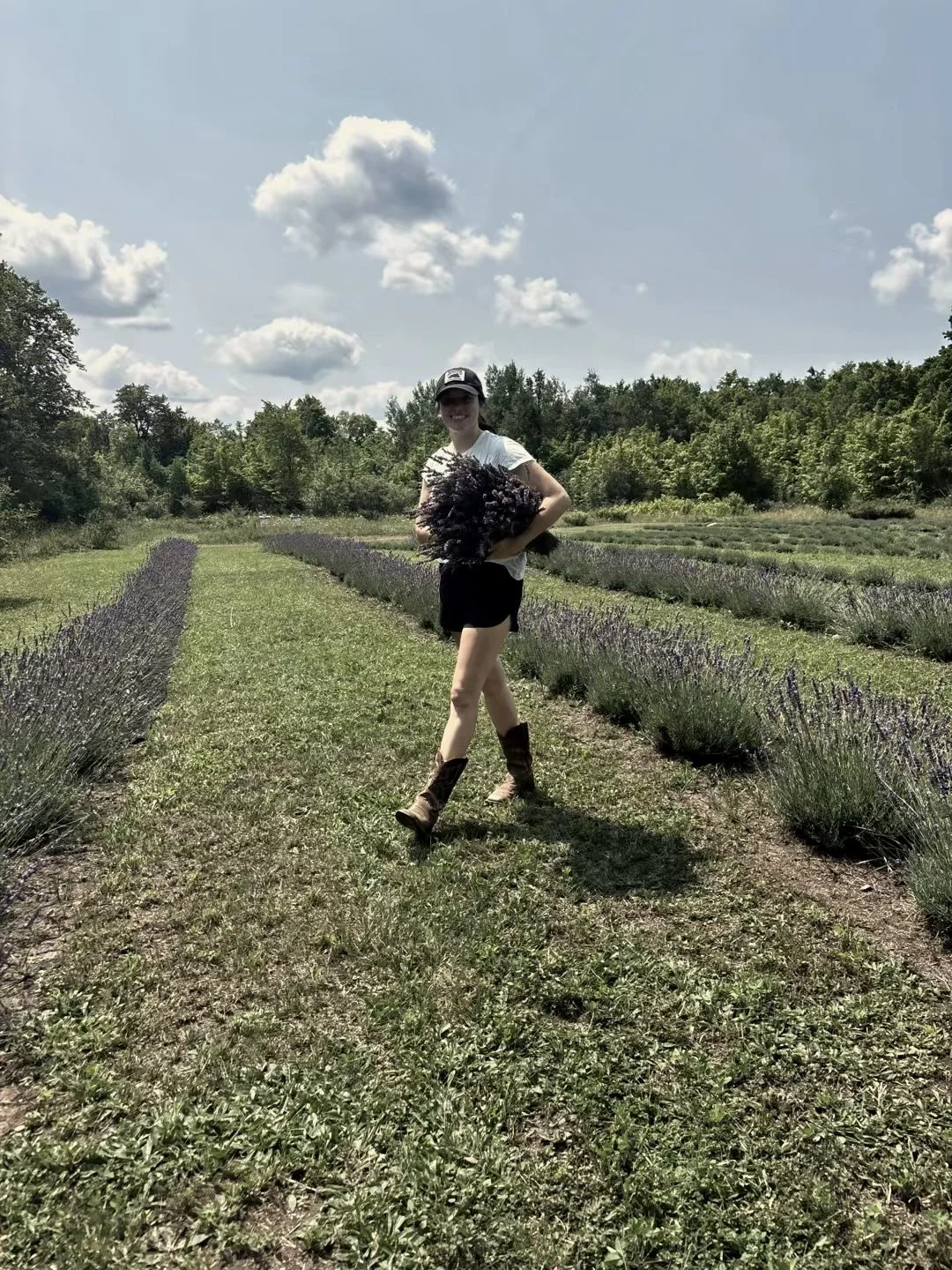
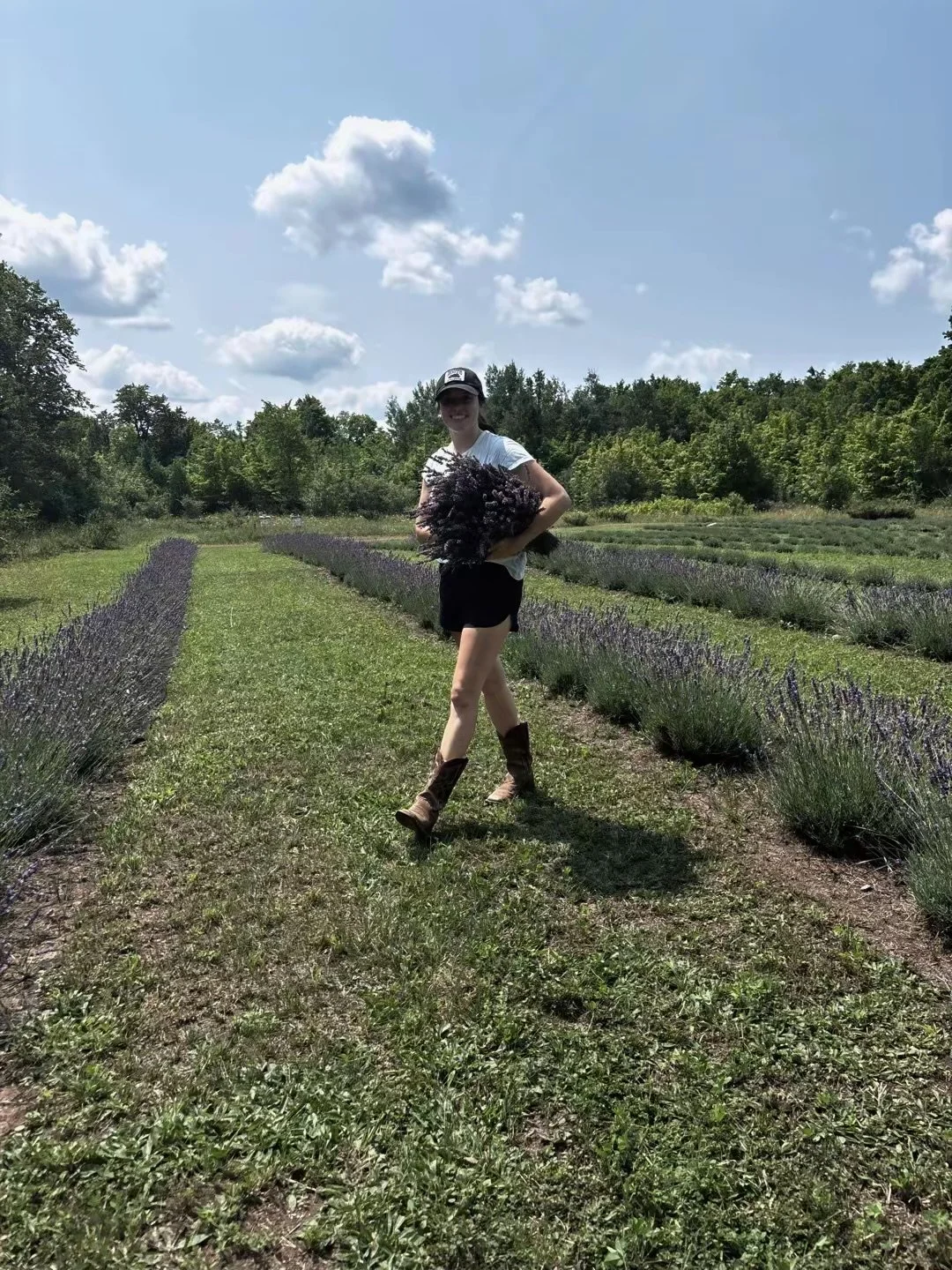
Harvest blooms just as the buds begin to open.
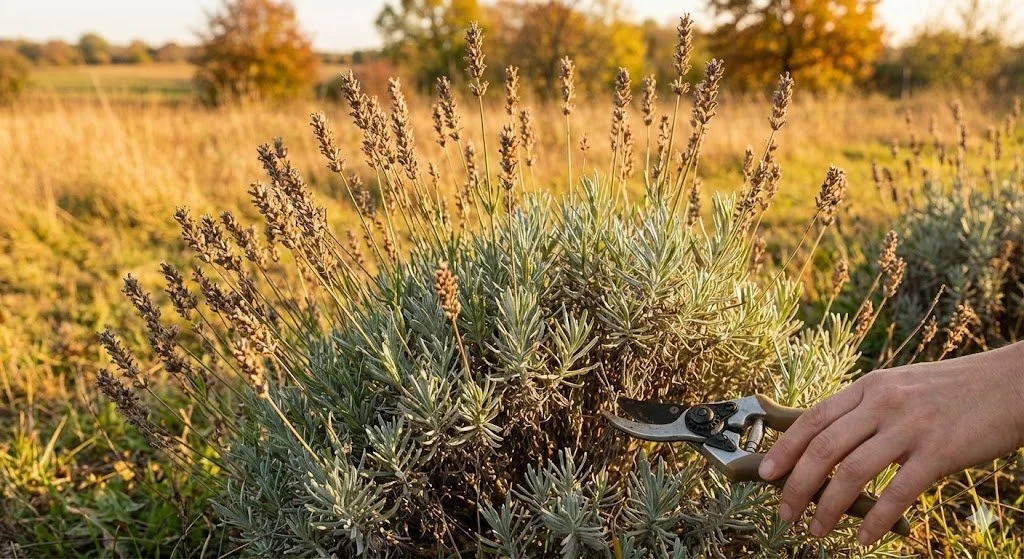
Fall
Stop heavy pruning so plants can harden off before winter.
Use
Lavender isn’t just beautiful—it’s incredibly versatile! Its fragrant flowers and leaves can be enjoyed in many ways:
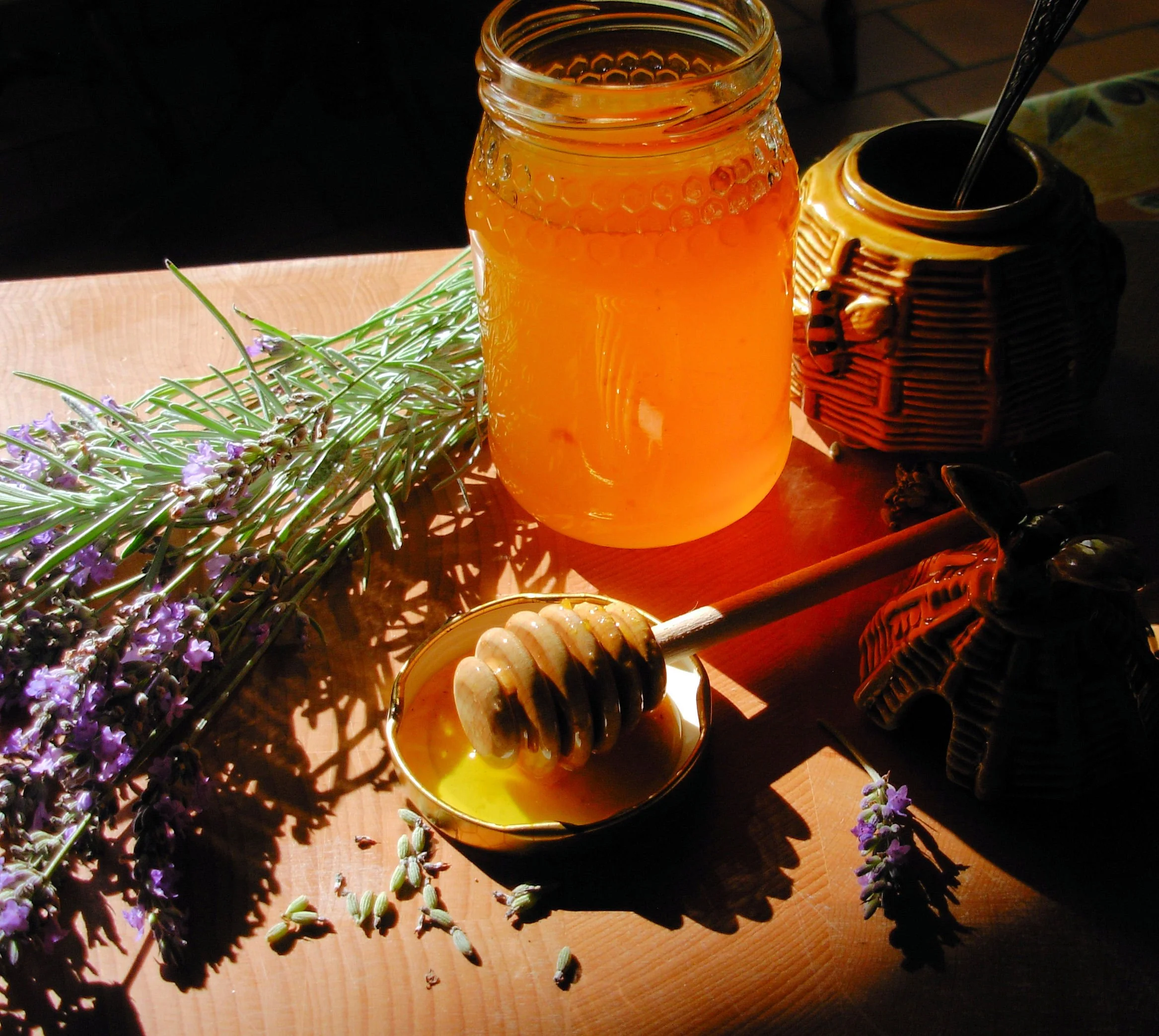
Add a subtle floral note to baked goods, teas, honey, or even savory dishes. Lavender honey is especially delicious drizzled over cheese, yogurt, or toast.
Culinary
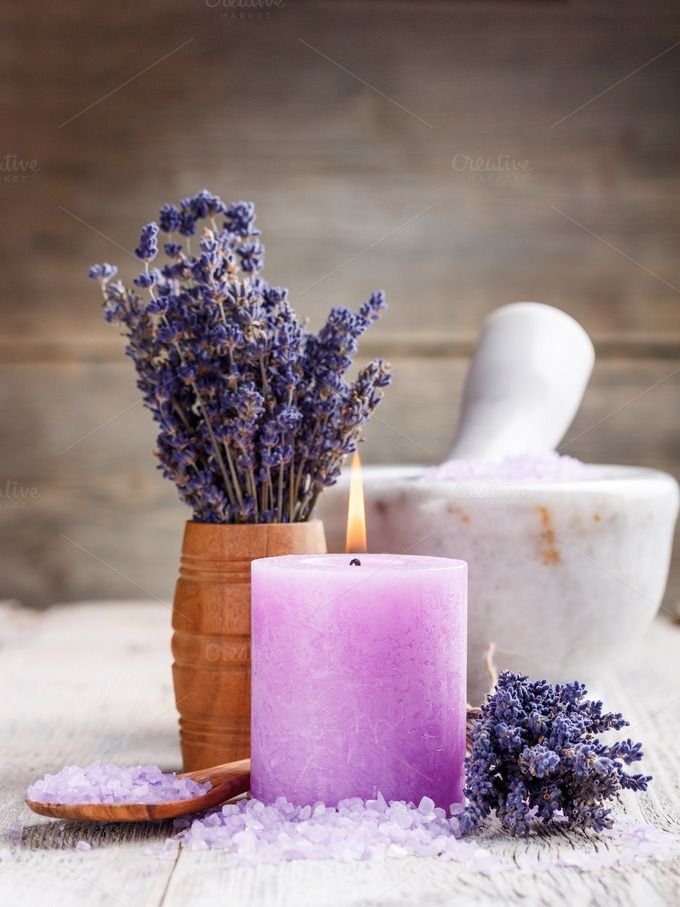
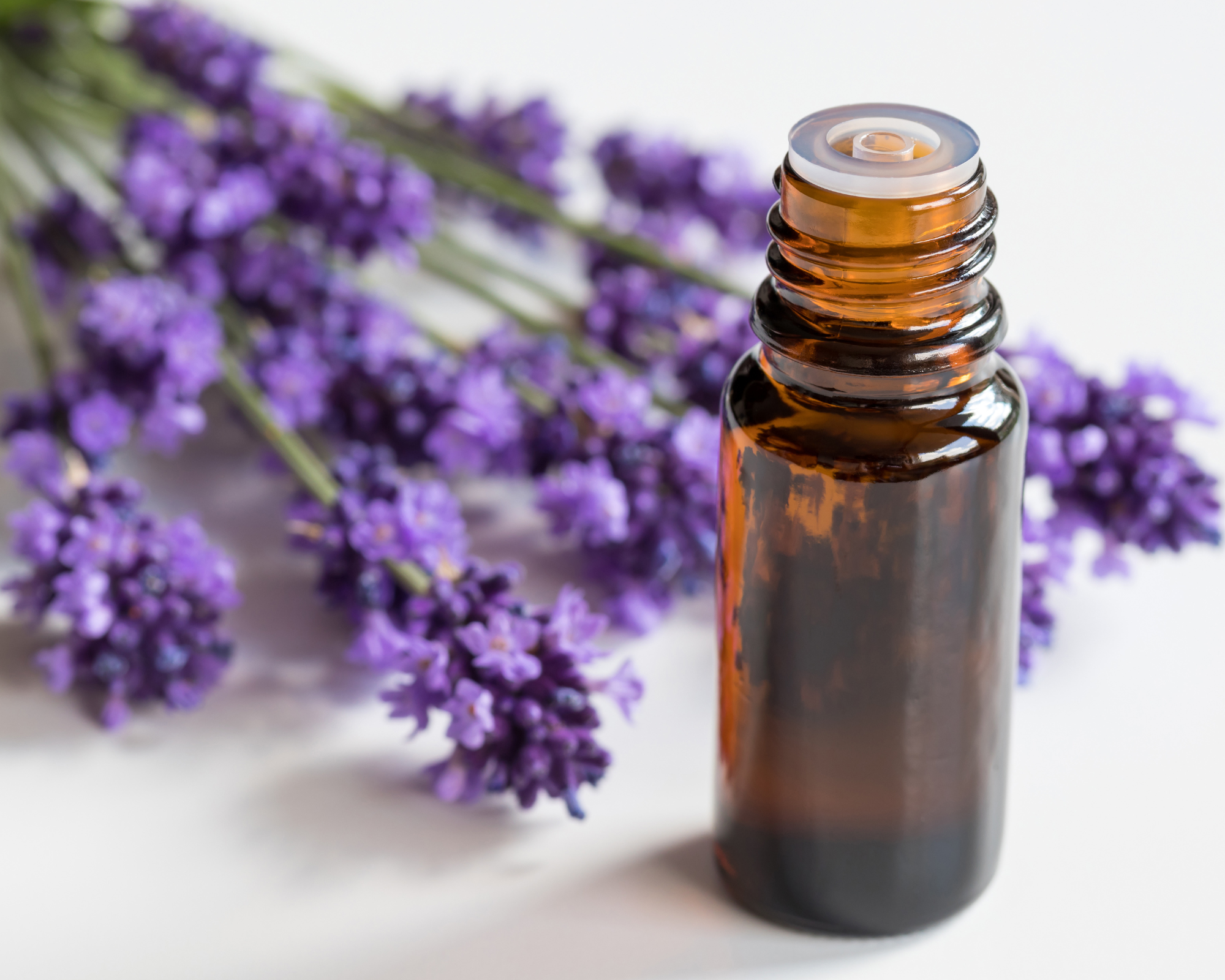
Dried or fresh lavender can be used in sachets, pillows, or essential oils to promote relaxation, reduce stress, and aid sleep.
Aromatherapy & Wellness
Gardening & Pollinators
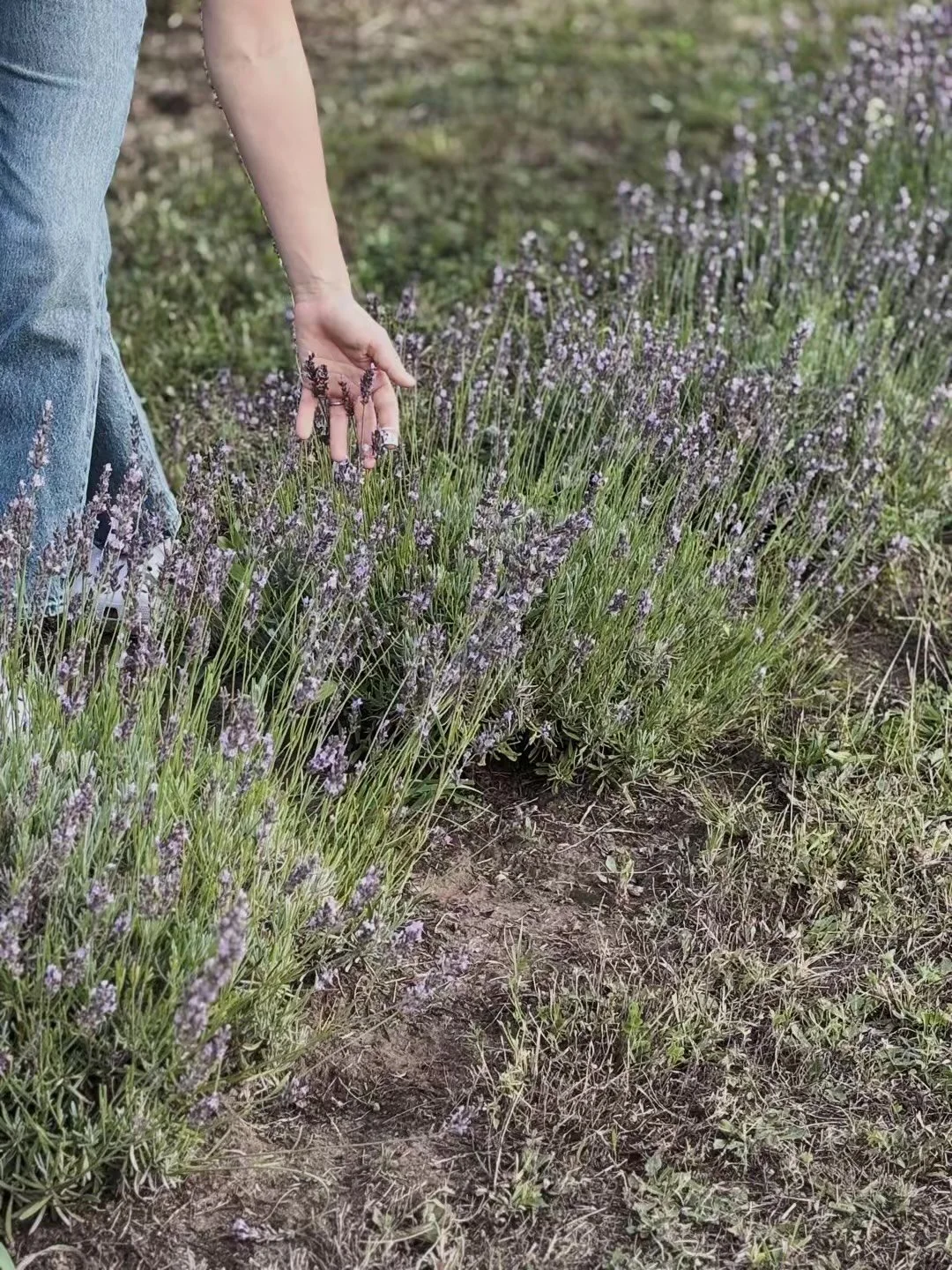
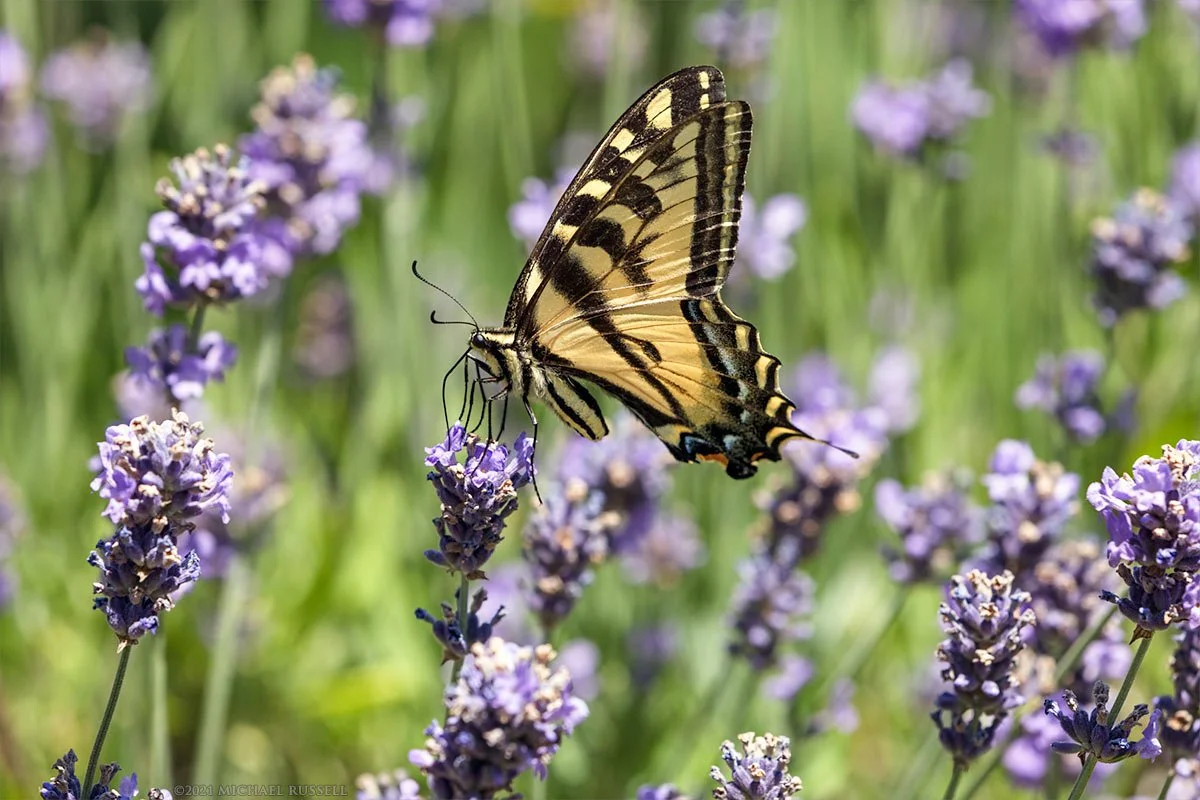
Planting lavender attracts bees, butterflies, and other pollinators, supporting local biodiversity.
Lavender can be used in DIY soaps, candles, wreaths, and potpourri, filling your home with natural fragrance.
Home & Crafts